Health care and social security systems in industrialized countries are confronted with ageing populations. By 2050, 10% of people living in Belgium will have reached the age of 80 or older [1]. This forthcoming “grey epidemic” will lead to an explosion of chronic diseases. This situation has stimulated researchers to focus their efforts on studying relationships between chronic diseases, frailty and the development of disability [2, 3]. Fried et al. [4] have clearly shown that there is an overlap between chronic diseases, frailty and disability. In this regard the concept of frailty fulfils an important role. Although there are a large variety of models, definitions and criteria, a consensus view exists that considers frailty as a multidimensional geriatric syndrome with biological, physiological and psychosocial components, and as a state of increasing vulnerability and loss of adaptability to stress [5, 6]. Campbell and Buchner [7] described frailty as a condition or syndrome which results from a multi-system reduction in reserve capacity to the extent that a number of physiological systems are close to, or past, the threshold of symptomatic clinical failure. A better understanding of the dynamic process leading from health to frailty and eventually disability is of primary interest if preventive interventions are planned.
In Belgium general practitioners (GPs) have a prominent place in the health care system. More than 95% of the population is reported to consult the same GP or practice (duo or group) in case of health problems. More than 90% of people aged 65 and older have at least one contact with their GP every year, with an average of 11.9 contacts per year at the age of 75 and older [8].
The general aim of the BELFRAIL cohort study is to acquire a better understanding of the epidemiology and pathophysiology of chronic diseases in the very elderly and to study the dynamic interaction between health, frailty and disability in a multi-system approach. Therefore the BFC80+ focuses on different systems; (1) cardiac dysfunction and chronic heart failure, (2) lung function, (3) sarcopenia, (4) renal insufficiency and (5) immunosenescence and the profile of immune risk.
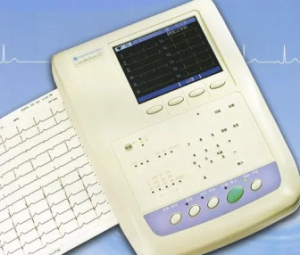
In our ageing society the burden of chronic heart failure is rising. The prevalence increases with age from 0.7% in people aged 55-64 years to 2.7% in those aged 65-74 years and 13.0% in those aged 75-84 years [9]. Heart failure not only has negative consequences for functional status and well-being but also leads to increased mortality [9]. However, diagnosing chronic heart failure is notoriously difficult, especially in the elderly who often have multiple comorbidities and may present with many other possible causes for dyspnoea, fatigue or peripheral oedema. With increasing average patient age, primary care physicians will become increasingly important as the principal diagnosticians and treating physicians. In this setting, poor availability of routine echocardiography leads to considerable over- and under-diagnosis of heart failure [10, 11]. This emphasizes the need for a simple test, easily applicable in primary care settings, to identify elderly patients at risk and to initiate timely treatment to reduce mortality and improve quality of life. Over the last decade, brain natriuretic peptide (BNP) and its amino-terminal portion N-terminal pro-brain natriuretic peptide (NT-proBNP) have been extensively studied. However, a recent systematic review found limited evidence for the usefulness of natriuretic peptide measurement for the diagnosis of cardiac dysfunction or heart failure in community-dwelling elderly patients aged 75 and over and concluded that important questions about the implementation of the natriuretic peptide test in daily practice remain unsolved [12]. The BFC80+ was conceived (1) to examine further the diagnostic accuracy of natriuretic peptides for cardiac dysfunction in elderly people in the community and (2) to develop an algorithm, easily applicable in primary care, for the diagnosis of chronic heart failure in the very elderly by estimating the added value of natriuretic peptides and ECG beyond history taking and clinical examination.
With regard to the burden of respiratory diseases in the elderly, many fundamental issues remain unresolved. Few reliable data are available concerning the prevalence of chronic obstructive pulmonary disease (COPD) and asthma [13], and the global initiative for chronic obstructive lung disease (GOLD) criteria [14] for the diagnosis of COPD have been debated and appear not to be meaningful in the elderly [15]. Moreover, the lack of clear reference data for the very elderly makes assessment of pulmonary function a real challenge [16, 17]. Predictive models for spirometric variables have been proposed but are based on very small samples that are rarely representative of the population in an area [18]. Two aims of the BFC80+ study are (1) to collect respiratory reference data from a large sample of the elderly population in Belgium in order to develop an adapted predictive model (regression equation that allows computation of predicted values) and (2) to gain better insight into the prevalence of respiratory symptoms and obstructive lung disease in octogenarians. Clustering with other chronic diseases will also be studied, and the ability of older patients to perform good-quality spirometric tests will be investigated.
Sarcopenia has been described as an age-related decline in muscle mass in older people [19]. Current definitions of sarcopenia include both a loss of muscle strength and a decline in functional quality in addition to the loss of muscle protein mass [20]. However, it is unclear whether a decline in functional capacity results from the loss of muscle mass and/or the qualitative impairment of the muscle tissue [21]. The age-associated changes in muscle mass explain less than 5% of the variance in the change in strength with ageing [20]. Sarcopenia is associated with many adverse outcomes like increases in morbidity, falls, institutionalization and onset of disability [22]. It has been suggested that the contribution of muscle mass to certain outcomes may be primarily because of its association with muscle strength [20]. Decreased strength, most often grip strength, has been identified as an important sign of frailty [23]. Grip strength appears to be a robust predictor of functional decline, disability and mortality [19]. In the BFC80+ the relationship between grip strength, muscle mass and clinical outcome will be studied. Also the relationship with nutritional status, performance tests and biological indicators will be investigated.
Chronic kidney disease (CKD) is increasingly recognized as an important problem in public health because of its high prevalence [24] and its association with increasing mortality, cardiovascular events and hospitalizations [25]. “Gold standard tests” based on ethylenediaminetetraacetic acid (EDTA), inulin, iohexol or diethylene triamine pentaacetic acid (DTPA) clearance that aim to measure the glomerular filtration rate (GFR) are difficult to perform in clinical practice. Cockcroft and Gault [26] developed a method to estimate renal function based on the serum creatinine value and the patient’s body weight and age. Since then, many researchers have tried to find a better formula based on serum creatinine or cystatin C [27]. However, none of these methods has been validated in a large population of community-dwelling elderly patients. The aims of the BFC80+ are, first, to achieve a better understanding of the prevalence, complications and evolution of CKD in elderly patients, and second, to identify the most accurate existing method or to develop a new method, applicable in clinical practice, to estimate the GFR in elderly patients.
Deterioration of the immune system with ageing, referred to as immunosenescence, is believed to be a prominent pathophysiological feature of frailty [28]. The hallmarks of immunosenescence are a decrease in adaptive immunity and increased low-grade chronic inflammatory status, which has been referred to as inflamm-ageing. The former results in a decreased ability to effectively control infectious diseases and a generally poor response to vaccination, while inflamm-ageing seems to underlie most of the age-related diseases (e.g. atherosclerosis, dementia, sarcopenia, diabetes, etc.) and has been shown to be related to mortality of all causes in older persons [29, 30]. The chronological age at which immunosenescence becomes clinically important is most likely influenced by many factors, including the pathogen load to which individuals are exposed throughout life. There is considerable evidence that human cytomegalovirus (CMV) in particular plays an important role in immune modulation later in life [31]. Understanding how and why immune responsiveness changes in humans as they age is essential for developing strategies to prevent or restore dysregulated immunity and assure healthy aging. Therefore, we will explore the complex relationship between immunosenescence and frailty, disease and death in the BFC80+. Furthermore, we will investigate the role of CMV and other pathogens in the process of immunosenescence and the mechanisms underlying it.