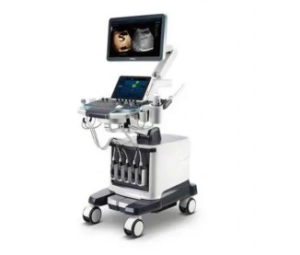
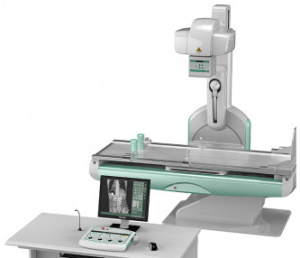
美国食品药品监督管理局(FDA)是美国联邦政府中最古老的综合性消费者保护机构。FDA的现代监管职能始于1906年《纯食品和药品法》的通过,直到1930年才以FDA命名。FDA是美国卫生与公众服务部下属的一个机构。FDA是美国负责管理药品、化妆品和食品、医疗器械、放射性产品、疫苗,血液和生物制品、(动物)兽药、烟草等与人类健康相关产品的政府主管部门。
1
FDA的历史
美国食品药品监督管理局是美国联邦政府中最古老的综合性消费者保护机构。自1848年以来,联邦政府一直使用化学分析来监测农产品的安全 — — 1862年农业部继承了这一职责,后来FDA也继承了这一职责。直到1930年才以FDA命名,但FDA的现代监管职能始于1906年《纯食品和药品法》的通过,此部法律酝酿了25年,禁止在州际间交易掺假和错误标识的食品和药品。美国农业部化学局的首席化学家哈维-华盛顿-威利(Harvey Washington Wiley)是这部法律背后的推动者,并在早期领导其执法工作,提供了消费者在此之前从未了解的基本保护要素。
从那时起,FDA随着美国的社会、经济、政治和法律的变化而变化。考察这些变化的历史,阐明了FDA在促进公众健康方面所发挥的不断变化的作用,并在我们评估当前的监管挑战时提供了可考虑的经验教训。
2019年6月,FDA历史办公室在马里兰州银泉市的白橡树校区1号楼安装了一个探索该机构历史的永久性展览馆。展览故事围绕 “文物、图像、电影和多媒体展示”反映了三个跨领域的主题。
1
药物评价与研究中心(CDER)简史
1.20世纪初的基础
1902年创建药物实验室
早期的药物实验室工作由主任Lyman Kebler负责
1906年的法案,药物实验室在1908年成为药物司/部。
药品部成立四个实验室
虚假的治疗性声明和谢利修正案(国会在1912年通过了“谢利修正案”,禁止对药物标签提出虚假治疗索赔。)
药品检验室
2.第一次世界大战后的体制和市场变化(1918-1936年)
药物认知学实验室和Sherley案例组
药品管理办公室,特别合作办公室,调查办公室、调查组
药品部转入药物管制办公室;乔治-胡佛成为新主任
药物管制办公室的合作工作
麻醉剂的安全调查;药物分析实验室
詹姆斯-杜瑞特(James Durrett),药物管制办公室,以及1928年的组织结构
马文-汤普森和药理学实验室的麦角菌研究
弗雷德里克-卡伦,药物管制办公室和1930年代的二硝基苯酚研究
药品部的重现;药理学作为独立的药品和食品安全办公室而成立
3.新药和新当局,1937-1950年
1937年Elixir Sulfanilamide磺胺酏剂 (含二甘醇)事件/灾难
1938年关于上市前药品安全和新标签的法案和要求
西奥多-克鲁姆普 (Theodore Klumpp),药品部,以及化学部、合作部、医疗部和兽医部
20世纪40年代的新机构:胰岛素和抗生素认证和处方标签要求;抗生素测试在一个新的办公室成立
战时青霉素测试;罗伯特-赫威克领导药品部;各部门及其作用
从药品部到医药局;首席医疗官;斯托蒙领导的医药局。
4.对危险和非法药物使用的控制,1950-60年
新药科,Erwin Nelson和Ralph Smith;1951年Durham-Humphrey修正案
氯霉素和不良事件报告计划
1955年公民咨询委员会的全面报告
阻断危险药品的非法销售;CAC报告后的改组
5.60年代初的药物改革
内部研究出版物;伯尔尼的五个分支;凯塞尼奇的到来
参议员埃斯蒂斯-凯福弗调查制药业
弗兰西斯-凯尔西,沙利度胺,以及在此险些避免的全球灾难
1962年凯福弗-哈里斯药品修正案
1962年的修正案和临床试验;第一个咨询委员会
1962年以后对新药部门的改组
60年代科学职能的重组;抗生素回归新药
1960年代Fountain议员对FDA和药品安全的调查
6.药效研究和改组,1965-1969年
药物疗效研究的实施
非处方药审查
医学部再次重组,设立五个部门
近代以来的第一位外部专员;药物工作的外部帮助;兽医学会的拆分
1969年马利克报告和药品管理局及其他新局
7.新的风险交流和应急响应工作,1970年代
国家药物分析中心;理查德-克鲁特 (Richard Crout)担任药物顾问;7个办公室的重组,1974年
向卫生专业人员传递药物信息
20世纪70年代对药品管理改革的全面尝试失败
早期为强制规定病人包装上的说明所做的努力
在三里岛提供紧急药品;1980年代的重组
8.激励药物开发,加速获取,合理化消费者成本,1980年代
药品和生物制品的合并,1982年
国家药品和生物制品中心的组织结构
国家药品和生物制品中心办公室,1980年代中期
《孤儿药物法》和《联邦反篡改法》
监管直接面向消费者的处方药广告,1980年代
仿制药和1984年哈奇-瓦克斯曼法案 (《哈奇-瓦克斯曼法案(Hatch-Waxman Act)》,旨在促进创新药物的研发,同时试图平衡药物开发商的利益和公众获得低成本仿制药的机会)
20世纪80年代国家发展和改革委员会药物办公室的进一步改组
合规办公室和消费者与专业事务办公室的变化
加快研究性药物的使用,报告不良反应
9.CDER向新世纪迈进
NCDB重新划分为药物和生物制品中心,卡尔-佩克于1994年由CDER第一任主任珍妮特-伍德考克接任
CDER的最初组织
非专利药的组织和80年代的非专利药危机
外部对FDA的评价和CDER的持续重组
1992年《处方药使用费法案》及其对药品审批和审查时间的影响
90年代中期CDER的重大组织变革
21世纪之初的CDER
食品和药品法为监管实践提供了一个框架,它与颁布这些法律时的大历史背景密切相关。许多法律,如FD&C法案、Kefauver-Harris修正案和DQSA,都是为了应对具体事件而颁布的,这些事件引起了人们对额外权力或控制需求的关注。根据这段历史,未来的事件可能会进一步形成食品和药品法律和法规。
2
生物制品监管历史
现代联邦对生物制品的监督始于1902年的《生物制品管制法》,由公共卫生和海洋医院服务局的卫生实验室负责执行。 随着国家卫生研究院从卫生实验室成立,监管权一直在国家卫生研究院,直到1972年才移交给FDA。
2002年,生物制品评估和研究中心庆祝了1902年《生物制品管制法》的一百周年纪念。
3
医疗和辐射设备监管的历史
随着1938年《食品、药品和化妆品法》的通过,医疗设备首次受到全面监管。1971年,FDA还承担了保护消费者免受家庭和职业使用的辐射设备的不必要照射的责任,这项职能以前是由公共卫生局负责的
4
FDA毒理学研究历史
尼克松总统于1971年1月27日宣布建立国家毒理学研究中心,由食品和药物管理局管理。该设施曾是美国陆军松树崖兵工厂的一部分,在食品和药品NCTR的领导下,开始了一项研究计划,研究毒素对健康和环境的影响。今天,NCTR作为一个主要的研究部门,支持FDA做出科学决策的能力。
5
FDA执法工作的历史
1906年的《纯净食品和药品法》只授权两种执法方法将违规产品撤出市场:查封和刑事起诉。多年来,法律改革扩大了FDA的执法权力,包括禁令、警告信和行政程序。
在其存在的整个过程中,FDA还努力与工业界合作,实现自愿遵守,以防止违规产品首先被推向市场。这些努力包括审查拟议的标签,为行业制定指导,传播教育材料和实施自愿认证计划。
监管事务办公室,包括FDA几乎所有的外地办事处,以及在总部的重要存在,通过其调查员和实验室分析员的网络,成为该机构与受监管行业的直接联系。监管事务办公室与每个中心和该机构的其他部门密切合作,执行保护和促进公众健康的法律。
2
FDA组织
FDA是美国卫生与公众服务部下属的一个机构。
自2019年3月31日起,FDA开始实施机构重组。FDA的重组反映了该机构致力于现代化其结构,以推进其保护和促进公共健康的使命,并满足FDA监管的各行业快速创新的挑战。FDA的重组将重新调整该机构的几个实体,以促进战略重点,并将提升中心、办公室和现场部队的作用。
以下组织结构图反映了FDA将在其下运行的新结构。
FDA是卫生和人类服务部的一个机构,由九个中心级组织和十三个总部(HQ)办公室组成。下面的列表包含了FDA概览组织图的链接,然后是每个中心级组织的链接,按字母顺序排列。运营办公室的组织结构图也包括在内。
●FDA概览图,包括专员办公室和FDA总部办公室
●生物制品评估和研究中心(CBER)
●器械和放射卫生中心
●药品评价和研究中心(CDER)
●食品安全和应用营养中心
●烟草制品中心
●兽医学中心
●国家毒物学研究中心
●法规事务办公室
●业务办公室
3
FDA法规制度
根据法律规定,FDA在《联邦公报》上公布法规,这是联邦政府的官方出版物,用于通知公众许多种类的机构行动。 联邦法规是由法规要求或授权的。
一些法规,如FDA的鸡蛋安全法规,涉及一个具体的问题或已知的健康危害,而其他法规,如公民请愿法规,是行政或程序性的。我们遵循的规则制定程序来自美国法律、行政命令(EO)和总统发布的备忘录,以及FDA自己的条例。
4
PDUFA 法案
处方药使用费法案(PDUFA I,106 Stat.4491)于1992年首次颁布,授权FDA向提交某些人类药物和生物制品申请的公司收取使用费。此外,公司需要为每个生产机构和每个处方药产品市场支付年费。以前,纳税人通过国会预算支付产品审查费用。在这个项目中,工业界提供资金,以换取FDA同意达到药物审查的绩效目标,其中强调了及时性。PDUFA下的用户费概念后来扩展到FDA监管的其他产品类别。
5
FDA局长
Robert M. Califf医学博士于 2022年2月17日被任命为局长。
作为专员,卡利夫博士负责监督美国食品和药物管理局的全部工作,并执行《联邦食品、药品和化妆品法》和其他适用法律。这包括确保人用和兽用药品、疫苗和其他人用生物制品以及医疗设备的安全、有效性和安全性;食品供应、化妆品、膳食补充剂、发出电子辐射的产品的安全和保障;以及烟草产品的监管。
6
联系FDA
电话:
邮寄地址:
Food and Drug Administration
10903 New Hampshire Ave
Silver Spring, MD 20993-0002
— 总结—
FDA监管食品、超过15万种上市药品和医疗设备。FDA还监管化妆品、动物健康产品和烟草产品(仅广告行为)。在任何时候,都有超过5000种研究性新药在开发中,大约有15000个IND,而咨询委员会对FDA的成功至关重要。在组织上,FDA是卫生和人类服务部(HHS)内的公共卫生服务(PHS)的一部分。PHS还负责监督疾病控制和预防中心(CDC)和国家卫生研究院(NIH)以及其他机构。
参考文献:
1.https://www.fda.gov/about-fda
2.https://www.fda.gov/regulatory-information/federal-food-drug-and-cosmetic-act-fdc-act/fdc-act-chapter-v-drugs-and-devices#Part_A
3.https://www.fda.gov/regulatory-information/laws-enforced-fda
4.https://www.fda.gov/about-fda/fda-organization
5.https://www.fda.gov/about-fda/fda-history
▼
英文原文(上下滑动查看更多)
Drug RA| Introduction of Food and Drug Administration(FDA)
1.FDA History
The Food and Drug Administration is the oldest comprehensive consumer protection agency in the U. S. federal government. Since 1848 the federal government has used chemical analysis to monitor the safety of agricultural products — a responsibility inherited by the Department of Agriculture in 1862 and later by the FDA.
Although it was not known by its present name until 1930, FDA’s modern regulatory functions began with the passage of the 1906 Pure Food and Drugs Act, a law a quarter-century in the making that prohibited interstate commerce in adulterated and misbranded food and drugs. Harvey Washington Wiley, Chief Chemist of the USDA Bureau of Chemistry, had been the driving force behind this law and headed its enforcement in the early years, providing basic elements of protection that consumers had never known before that time.
Since then, the FDA has changed along with social, economic, political and legal changes in the United States. Examining the history of these changes illuminates the evolving role that FDA has played in promoting public health and offers lessons to consider as we evaluate current regulatory challenges.
1.1.A Brief History of the Center for Drug Evaluation and Research
1. Early 20th Century Foundations
1.1 Creation of the Drug Laboratory in 1902
1.2 Early Drug Laboratory Work Under Dir. Lyman Kebler
1.3 1906 Act and the Drug Laboratory Becomes the Drug Division in 1908
1.4 The Four Laboratories of the Drug Division
1.5 False Therapeutic Claims and the Sherley Amendment
1.6 Work of the Drug Inspection Lab
2. Post-World War I Institutional and Market Changes, 1918-1936
2.1 Pharmacognosy Lab & Sherley Cases Unit
2.2 Offices of Drug Admin., Special Collab. Investigations
2.3 Div of Drugs to Office of Drug Control; George Hoover new Director
2.4 Collaborative Work of the Office of Drug Control
2.5 Investigations of Safety of Anesthetics; Lab of Drug Analysis
2.6 James Durrett, Office of Drug Control, and Organization by 1928
2.7 Marvin Thompson and Ergot Research in Pharmacology Lab
2.8 Frederick Cullen, Office Drug Control, and 1930s Studies of Dinitrophenol
2.9 Drug Div. Redux; Pharmacology Established as Independent Office for Drug and Food Wor
3. New Drugs and New Authorities, 1937-1950
3.1 1937 Elixir Sulfanilamide Disaster
3.2 1938 Act and Requirements for Premarket Drug Safety and New Labeling
3.3 Theodore Klumpp, Drug Division, and Chemical, Collaboration, Medical, & Veterinary Sections
3.4 New 1940s Authorities: Insulin and Antibiotic Certification and Prescriber Labeling Requirement; Antibiotic Testing Established in a New Office
3.5 Wartime Penicillin Testing; Robert Herwick Heads Drug Div; Sections & their Roles
3.6 From Drug Division to Bureau of Medicine; Chief Medical Officer; Stormont Heads Bur.
4. Control of Dangerous and Illicit Drug Use, 1950-60
4.1 New Drug Section, Erwin Nelson, and Ralph Smith; 1951 Durham-Humphrey Amendment
4.2 Chloramphenicol and Adverse Event Reporting Program
4.3 The Sweeping 1955 Citizens Advisory Committee Report
4.4 Interdicting Illegal Sales of Dangerous Drugs; Post-CAC Report Reorg; Holland Heads Bur.
5. Drug Reform in the Early 1960s
5.1 In-House Research Publications; Five Branches of the Bur.; Kessenich Arrives
5.2 Sen. Estes Kefauver Investigates Pharmaceutical Industry
5.3 Frances Kelsey, Thalidomide, and a Global Disaster Narrowly Averted Here
5.4 1962 Kefauver-Harris Drug Amendments
5.5 1962 Amendments & Clinical Trials; the First Advisory Committee
5.6 Post-1962 Reorganization of the Div of New Drugs
5.7 Reorganization of Scientific Functions in the 1960s; Antibiotics Returns to New Drugs
5.8 1960s Investigations of FDA and Drug Safety by Rep. Fountain
6. Efficacy Studies and Reorganizations, 1965-1969
6.1 Drug Efficacy Study Implementation
6.2 Over-the-Counter Drug Review
6.3 Bur. of Medicine Reorganization Redux, with Five Divisions
6.4 First Outside Commissioner in Modern Times; Outside Help for Drug Work; Bur of Veterinary Medicine Splits Off
6.5 1969 Malek Report and Bur of Drugs and Other New Bureaus
7. New Risk Communication and Emergency Response Efforts, 1970s
7.1 National Center for Drug Analysis; Richard Crout heads Bur of Drugs; 7-Office Reorganization, 1974
7.2 Communicating Drug Information to Health Professionals
7.3 Sweeping Attempt at Drug Regulation Reform in 1970s Fails
7.4 Early Efforts to Mandate Patient Package Inserts
7.5 Provisioning Emergency Drugs at Three Mile Island; 1980s Reorganizations
8. Incentivizing Drug Development, Accelerating Access, Rationalizing Consumer Costs, 1980s
8.1 The Merger of Drug and Biologics, 1982
8.2 Organization of the National Center of Drugs and Biologics
8.3 National Center for Drugs and Biologics Offices, mid-1980s
8.4 Orphan Drug Act and Federal Anti-Tampering Act
8.5 Regulating Direct-to-Consumer Preion Drug Ads, 1980s
8.6 Generic Drugs and the 1984 Hatch-Waxman Act
8.7 Further 1980s Reorganization in the Drugs Office of NCDB
8.8 Changes in the Office of Compliance & the Office of Consumer and Professional Affairs
8.9 Accelerating Access to Investigational Drugs, Reporting Adverse Effects
9. CDER Moves Toward a New Century
9.1 NCDB Divided Back into Drugs and Biologics Centers, with Carl Peck, succeeded in 1994 by Janet Woodcock, the first Director of CDER
9.2 Initial Organization of CDER
9.3 Organization of Generic Drugs and the Generic Drug Crisis in the 1980s
9.4 Outside Evaluation of FDA and Ongoing Reorganization in CDER
9.5 1992 Preion Drug User Fee Act and Its Impact on Drug Approvals and Review Times
9.6 Major Organizational Transformation of CDER in mid-1990s
9.7 CDER at the Dawn of the 21st Century
1.2. The History of Biologics Regulation
Modern federal oversight of biological products began under the 1902 Biologics Control Act, which the Hygienic Laboratory of the Public Health and Marine Hospital Service carried out. With the creation of the National Institutes of Health from the Hygienic Laboratory, regulatory authority remained at NIH until 1972, when it was transferred to FDA.
In 2002, the Center for Biologics Evaluation and Research celebrated the centennial anniversary of the 1902 Biologics Control Act.
1.3. The History of Medical and Radiation-Emitting Device Regulatio
Medical devices first came under comprehensive regulation with the passage of the 1938 Food, Drug, and Cosmetic Act. In 1971 FDA also took on responsibility for consumer protection against unnecessary exposure to radiation-emitting devices for home and occupational use, a function that formerly had been in the Public Health Service.
1.4. The History of Toxicological Research at FDA
President Nixon announced on January 27, 1971, the establishment of the National Center for Toxicological Research, to be administered by FDA. This facility had been part of the U. S. Army’s Pine Bluff Arsenal, and under Food and Drug NCTR began a research program to study the effects of toxins on health and the environment. NCTR today functions as a major research arm to support FDA’s ability to make science-based decisions.
1.5. The History of FDA’s Enforcement Work
The 1906 Pure Food and Drugs Act only authorized two methods of enforcement to remove violative products from the market: seizure and criminal prosecution. Over the years, legal reforms have broadened the FDA’s enforcement powers to include injunctions, warning letters, and administrative procedures.
Throughout its existence, the FDA has also pursued efforts to work with industry to achieve voluntary compliance in order to prevent violative products from being marketed in the first place. Such efforts have included the review of proposed labeling, creating guidance to industry, disseminating educational materials and implementing voluntary certification programs.
The Office of Regulatory Affairs, which includes virtually all the field offices of FDA as well as a significant presence in headquarters, serves as the agency’s direct connection with regulated industry through its network of investigators and laboratory analysts. ORA works closely with each of the Centers and with other components of the agency to enforce the laws that protect and advance the public health.
2.FDA Organization
FDA is an agency within the Department of Health and Human Services.
Effective March 31, 2019, FDA began operational implementation of an agency reorganization. FDA’s reorganization reflects the agency’s commitment to modernizing its structure to advance its mission to protect and promote public health, and to meet the challenges of rapid innovation across the industries regulated by FDA. The FDA’s reorganization will realign several entities across the agency to promote strategic priorities, and will elevate the role of the centers, offices and field forces.
The following organization chart reflects the new structure under which FDA will operate.
FDA is an agency within the Department of Health and Human Services and consists of nine Center-level organizations and thirteen Headquarter (HQ) Offices. The list below contains the links to the FDA Overview Organization Chart, followed by links for each Center-level organization, in alphabetical order. The organization chart for the Office of Operations is also included.
●FDA Overview Chart, including the Office of the Commissioner and FDA HQ offices
●Center for Biologics Evaluation and Research
●Center for Devices and Radiological Health
●Center for Drug Evaluation and Research
●Center for Food Safety and Applied Nutrition
●Center for Tobacco Products
●Center for Veterinary Medicine
●National Center for Toxicological Research
●Office of Regulatory Affairs
●Office of Operations
3.FDA Rules and Regulations
As required by law, the Food and Drug Administration publishes regulations in the Federal Register, the federal government’s official publication for notifying the public of many kinds of agency actions. Federal regulations are either required or authorized by statute. Some, such as FDA’s egg safety regulations, address a specific problem or known health hazard, while others, like citizen petition regulations, are administrative or procedural. The rulemaking procedures that we follow come from U.S. law, Executive Orders (EO’s) and memoranda issued by the President, and FDA’s own regulations.
4.PDUFA, Reauthorizations
The Preion Drug User Fee Act (PDUFA I, 106 Stat.4491),first enacted in 1992, authorized FDA to collect user fees from companies submitting applications for certain human drug and biological products. In addition, companies were required to pay annual fees for each manufacturing establishment and each preion drug product marketed. Previously, taxpayers paid for product reviews through congressional budgets. In this program, industry provides the funding in exchange for FDA’s agreement to meet drug review performance goals, which emphasize timeliness.The user fee concept under PDUFA later expanded to other product categories FDA regulates.
5.FDA Commissioner
Robert M. Califf M.D. was named Commissioner of Food and Drugs on February 17, 2022.
As Commissioner, Dr. Califf oversees the full breadth of the FDA portfolio and execution of the Federal Food, Drug, and Cosmetic Act and other applicable laws. This includes assuring the safety, effectiveness, and security of human and veterinary drugs, vaccines and other biological products for human use, and medical devices; the safety and security of our nation’s food supply, cosmetics, dietary supplements, products that give off electronic radiation; and the regulation of tobacco products.
6.Contact FDA
Call:
1-888-INFO-FDA
Email: Write to:
Food and Drug Administration
10903 New Hampshire Ave
Silver Spring, MD 20993-0002
FDA Overview
FDA regulates foods, more than 150,000 marketed drugs and medical devices. FDA also regulates cosmetics, animal health products and tobacco products (advertising practices only). At any time, more than 5,000 investigational new drugs are under development in around 15,000 INDs, and Advisory Committees are critical to FDA success. Organizationally, FDA is part of the Public Health Service (PHS) within the Health and Human Services Department (HHS). The PHS also oversees the Centers for Disease Control and Prevention (CDC) and the National Institutes of Health (NIH), among other agencies.
Reference:
1.https://www.fda.gov/about-fda
2.https://www.fda.gov/regulatory-information/federal-food-drug-and-cosmetic-act-fdc-act/fdc-act-chapter-v-drugs-and-devices#Part_A
3.https://www.fda.gov/regulatory-information/laws-enforced-fda
4.https://www.fda.gov/about-fda/fda-organization
5.https://www.fda.gov/about-fda/fda-history
声明:英文原文及图片来自FDA官网,版权归FDA所有,翻译/解读仅代表当下个人观点,有待提高,欢迎同行探讨学习。