Also known as an auto-CPAP, an APAP machine is one of three main types of CPAP devices. Unlike a CPAP machine (the most common type), which uses a fixed air pressure that doesn’t fluctuate, an APAP machine automatically adjusts the positive airflow according to each person’s needs.
Because they adapt to the breathing patterns of each user, APAP machines are often an
to treat obstructive sleep apnea (OSA) symptoms with less disturbance.
APAP machines are similar to continuous positive airway pressure (CPAP) machines. Both machines are designed to treat OSA, a condition where the throat muscles relax during sleep and block the airway.
The main difference between APAP and CPAP is that APAP automatically adjusts air pressure throughout the night based on your breathing patterns, while CPAP delivers one constant, fixed level of pressure. For this reason, APAP devices may be a preferable form of treatment for people with
An APAP machine typically looks similar to a standard CPAP device: a small, rectangular unit that sits on your nightstand and connects to a mask via a flexible hose. Most models feature a display screen, control buttons or a touchscreen, and a built-in or attachable humidifier. Modern APAP machines are compact and designed to operate quietly, with some models small enough for travel.
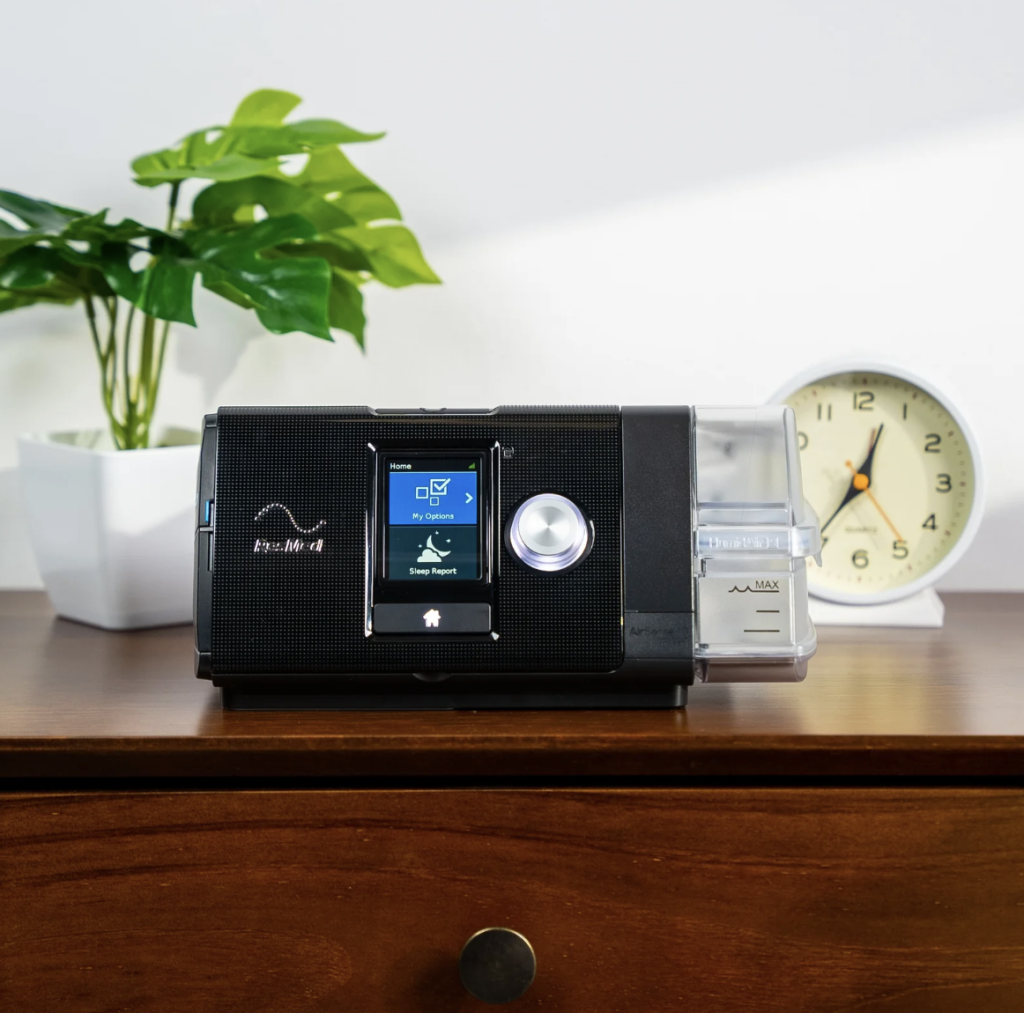
APAP machines take in outside air in your room through a filter, use a motor to push it through a hose, and deliver it to the sleeper via a mask. The mask may cover the sleeper’s nose, mouth, or both. Most users place the machine itself on a nightstand. With a set pressure range and complex algorithms, an APAP machine adapts to a person’s varying air pressure needs throughout the night.
Using advanced sensors, the APAP device detects airflow loss or reduction, then automatically increases the air pressure. Once the sleeper’s breathing normalizes, the APAP machine lowers the air pressure back to the minimum necessary level. Specific device algorithms
.
An APAP machine is used to treat sleep apnea, a condition characterized by shallow breathing or breathing that stops altogether during sleep.
OSA involves muscle relaxation in the throat that causes the airway to close, blocking inhalation. A
can contribute, including advancing age, higher body mass index (BMI), sex, head and neck anatomy, sleeping position, substance use, and underlying medical conditions.
Central sleep apnea (CSA) entails problems with how the brain communicates to the muscles responsible for breathing, which
. Age, sex,
, and ascending to
can elevate the risk of the condition. Generally, APAP isn’t recommended or used to treat CSA.
Choosing the right PAP device depends on your diagnosis, comfort level, and breathing patterns. An APAP machine may be a good fit if you have obstructive sleep apnea and need air pressure that automatically adjusts to your body’s changing needs during sleep.
APAP machines are designed to work with a person’s individual breathing variations for restorative sleep. By using the lowest effective pressure, they limit the claustrophobic sensation that some CPAP users experience, especially with high-pressure settings. Because of their adaptability, APAP machines can also more easily accommodate changes in the user’s sleep position, health, and body weight.
The positive pressure needed to maintain a person’s ability to breathe changes with sleep positions and stages of the sleep cycle. For example, higher pressure is needed when someone is lying on your back or during REM sleep. Weight changes, illness, and other factors can cause additional pressure changes throughout the night and over time.
People who use an APAP machine may experience less daytime fatigue due to undisturbed sleep. Continued use of an APAP machine can result in less anxiety, as well as
.
People with allergies or occasional colds may especially benefit from APAP machines since they adjust the pressure as needed. Many APAP machines also record critical data that a medical provider can use to monitor your condition.
Like other positive airway pressure therapies, APAP machines are generally safe but can cause mild side effects for some users. The most common issues include nasal congestion, dryness, or irritation, especially if you’re not using a humidifier.
Some people experience mask discomfort, air leaks, or skin irritation where the mask makes contact with the face. Others may notice bloating or gas from swallowing air, known as aerophagia. These side effects are often temporary and can usually be resolved by adjusting the mask fit, using heated humidification, or working with a sleep specialist to fine-tune pressure settings.
APAP isn’t the only form of positive airway pressure (PAP) therapy used to treat sleep apnea and other breathing disorders. While all PAP machines deliver pressurized air to help keep your airway open during sleep, they differ in how that pressure is delivered and adjusted.
Each type of PAP therapy works a little differently, and your doctor can help determine which machine best fits your specific diagnosis, comfort preferences, and treatment goals.
If you’re considering getting an APAP device, it’s important to know the potential cost and prerequisites. We will explore prescription requirements, insurance coverage, and where to shop for an APAP machine.
Because the FDA classifies it as a
, you need a prescription to purchase an APAP machine. Discuss your symptoms and diagnosis with your doctor to ensure the most effective treatment. Retailers, including online vendors, require a copy of your prescription.
Medicare and many health insurance providers often cover CPAP machines and basic accessories. When getting an APAP machine for sleep apnea, however, some carriers may require that you first use a CPAP machine unless your doctor specifically cites why you need an APAP device. Insurance companies also typically require a completed sleep study in addition to a prescription.
When getting a machine from your insurance company, you must adhere to compliance requirements, which include proper usage and minimum hours of usage within a specified time frame.
APAP machines range in price from around $500 to $1,500. Devices with more advanced features, such as a heated humidifier, are on the higher end. Your out-of-pocket expense depends on your insurance coverage. If you have a high deductible, it may be more practical to pay for the device yourself. In this case, compliance regulations do not apply.
These prices don’t include masks, tubing, or accessories, which are sold separately. However, some retailers offer bundle deals that include the base unit and needed accessories.
You can find APAP machines at brick-and-mortar medical equipment stores, online retailers, local sleep clinics, and insurance providers. Insurance providers often rent out the device in a rent-to-own arrangement.
When buying from a local store, you can inspect the machine before purchase, but there may be a limited selection. Online retailers typically offer a wider variety, lower prices, and a return policy in case the device doesn’t work for you. For shoppers buying a machine out of pocket, online retailers offer convenience and affordability provided you have a copy of your prescription.
Although APAP machines are more flexible, they still present certain challenges, especially for new users. Some people have trouble finding a comfortable mask that fits securely. Others struggle to get used to wearing a mask or experience a dry throat the next morning. Even though it’s designed to improve your sleep, it may initially be difficult to fall asleep while using the machine.
There are several ways to make your sleep experience more comfortable for those who have sleep apnea. Sleepers can ease their way into regularly using an APAP machine by keeping the following in mind.